


You can anticipate initial enhancements from basil herbal skincare products within a timeframe of 1-2 weeks, with more pronounced results emerging after consistent application over a period of 4 to 12 weeks. The full, long-term advantages may take between 3 to 6 months to become evident.
The duration required to observe improvement is primarily linked to your skin’s natural cell renewal cycle, which averages approximately 28 days but tends to slow down with age.
- Immediate (first use): Products such as cleansers and moisturizers deliver immediate effects, including soothing irritation, enhancing hydration, and providing a clean sensation.
- 1-2 weeks: Initial subtle alterations may become apparent, such as diminished redness and a slightly smoother or more hydrated texture.
- 4-6 weeks: More regular use during this timeframe enables the active ingredients to influence new skin cells as they surface, resulting in subtle modifications in texture, improved tone, and potentially fewer breakouts.
- 8-12 weeks: Typically, this is when you will observe more substantial, visible enhancements, such as diminished dark spots or hyper pigmentation and a decrease in fine lines.
- 3-6 months: For enduring changes, such as enhanced elasticity or a more robust skin barrier, ongoing use is crucial.
- Consistency: The most critical factor is the consistent application of the products as instructed (generally twice daily).
- Skin Concern: The issue you are addressing influences the timeline. For instance, hydration tends to improve rapidly, while the fading of hyper pigmentation may require several months.
- Product Type: Serums, which contain higher concentrations of active ingredients, may yield results more quickly than moisturizers or cleansers, although all products necessitate time for deep-level transformations.
- Individual Variation: Each person’s skin is unique, so outcomes may differ.
Yes, herbal and various skincare products can typically be used in conjunction, but it is advisable to refrain from mixing different active ingredients in your hands prior to application. Instead, adhere to a layering method, applying products from the thinnest to the thickest texture, while being cautious of possible interactions between certain active ingredients such as retinoid, vitamin C, and exfoliating acids, which may lead to irritation or diminish effectiveness.
How to Safely Combine Products
- Layer, do not mix:
Apply products to your skin separately in the correct sequence, rather than blending them in your palm. - Adhere to the thinnest-to-thickest principle:
This ensures that each product is adequately absorbed by the skin, thereby maximizing their advantages. - Be mindful of the ingredients:
Certain ingredients are known to have adverse reactions with one another, so it is important to be aware of potential conflicts.Active Ingredients to Use with Caution
- Retinol/Retinoid:
It is best to avoid using these alongside other potent actives such as Vitamin C, AHAs/BHAs, or benzyl peroxide, particularly in the same application. - Vitamin C and AHAs/BHAs:
The combination of these acidic ingredients can result in heightened irritation or instability. - Benzyl Peroxide:
While effective when used alone, it can lead to significant dryness and irritation when mixed with other strong ingredients like retinoids.Tips for Herbal Products
- Complementary combinations:
Herbal ingredients can synergize well with other actives such as hyaluronic acid, peptides, or plant-based oils to alleviate dryness and improve results. - Verify stability:
Certain formulations, including those that contain both retinol and Vitamin C, are engineered to be stable together, which is preferable to separate application. - Concentrate on your specific requirements:
Select a skincare regimen with complementary products that cater to your skin’s distinct concerns.
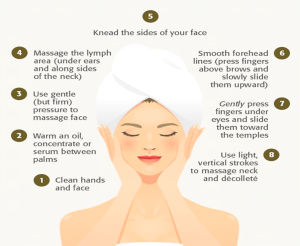
Herbal skincare achieves its highest efficacy when utilized during your night-time regimen to take advantage of your skin’s natural repair and regeneration processes, or in the morning to safeguard against potential issues throughout the day. Essential principles involve cleansing your face twice daily to eliminate debris prior to applying treatments and using oils as the final step to seal in moisture and other beneficial ingredients.
Morning Routine (Prevention & Protection)
- Cleanse: Begin by washing your face to eliminate oil and debris that have built up overnight, preparing your skin for the day ahead.
- Treat: Apply serums, concentrates, or facial oils to deliver essential vitamins and nutrients that your skin can absorb throughout the day.
- Protect: Conclude with a broad-spectrum SPF to protect your skin from sun damage.
Night time Routine (Repair & Renewal)
- Cleanse: Thoroughly cleanse your face to remove makeup, dirt, and environmental pollutants accumulated during the day.
- Treat: Use exfoliates (once or twice a week) to promote cell turnover and apply serums or treatments containing ingredients such as retinol or AHAs to encourage cell renewal.
- Moisturize: Apply a moisturizer to hydrate and support your skin’s natural barrier, particularly as it undergoes repair overnight.
- Seal with Oil: Finally, apply herbal face oil to lock in all the treatments and moisture applied.
Key Considerations for Herbal Skincare
- Timing is Crucial: The needs of your skin fluctuate throughout the day and night.
- Listen to Your Skin: Be attentive to your skin’s reactions and modify your routine as necessary.
- Consistency: Maintain a regular routine to achieve the best results.
- Post-Workout: Always cleanse your face after exercising to remove sweat and prevent clogged pores.
Do You Really Need a Skin Care Routine?
Understanding Skin Care for Your Daily Health - The term skin care evokes three associations: skin cancer, dry skin, and an extensive selection of beauty products at your local pharmacy. However, it encompasses more than just superficial concerns. Although a skin care routine may seem demanding, the steps necessary for maintaining healthy skin are not only essential but also straightforward to adopt.
Steven Nwe, a Dermatologist affiliated with Northwest Medicine reported that Investing early in the health of your skin through consistent skin care will not only enhance its protection against the harsh effects of winter but will also help you look and feel your best throughout the year, hence the foundation of skin resilience lies in understanding your skin and treating it with care.Initially, it is crucial to consider your skin type. The main skin types include dry, oily, or combination, and while your skin may fluctuate between being drier or oilier depending on the season, it generally remains relatively stable. Subsequently, it is important to understand what constitutes a healthy skin routine. In other words, which products are truly necessary to maintain your skin’s health and cleanliness?
A cleanser is the product you will use to wash your face, and it is vital to select one specifically designed for facial use—not just any bar soap or body wash you have available. It is advisable to wash your face gently, avoiding excessive scrubbing. Afterward, rinse with warm water, as hot water can strip natural oils and lead to skin dehydration.
Identifying the right cleanser for your needs may involve some trial and error. If you have dry skin, opt for a cleanser that is free of alcohol and fragrance. Conversely, if your skin is typically oily, seek an oil-free option, and you might also want to consider incorporating a toner into your routine.
Toner is applied following the cleansing of your face and can help to smooth, soften, and soothe the skin. Toners frequently contain ingredients that replenish and restore essential nutrients to your skin and can reduce redness and patches.
Like cleansers, moisturizers are essential for everyone and should be applied each time you cleanse your face. Similarly to cleansers, it is completely normal to experience some trial and error while searching for the ideal product – for instance, individuals with oily skin may find lightweight, oil-free, or gel formulations beneficial. Moisturizers serve to prevent skin dehydration, ensuring that your skin remains hydrated and smooth. They work best when applied to slightly damp skin, as this helps to lock in moisture.
While some moisturizers come with SPF, it is advisable to apply sunscreen in addition to your moisturizer, especially if the Sun Protection Factor (SPF) in your moisturizer is below 30. By this point, you should be aware of the guidelines: Apply sunscreen daily, regardless of whether the weather is overcast or chilly, and even if you are dressed in layers. When exposed to sunlight, reapply every two hours. Ensure that your sunscreen offers protection against both UVA and UVB rays. If the risks of skin cancer and sun damage are not sufficient motivation, consider that UV exposure is the leading cause of wrinkles, uneven skin tone, loss of firmness, and other signs of aging.
Exfoliation is a product that you may not need or wish to use daily. If you have dry skin, including dryness caused by winter air, you might find yourself exfoliating more frequently, but it is advisable to limit this to once or twice a week at most. Exfoliation can be performed after cleansing but before moisturizing, as it aids in the removal of flaky skin by promoting skin cell turnover. The advantages are significant – eliminating dead skin and buildup results in smoother skin and clearer pores – yet most dermatologists recommend chemical exfoliants over physical scrubs to avoid damaging your skin’s protective barrier.
Serum
An additional optional component of your skincare regimen, serums is formulated with ingredients such as antioxidants or retinol that enhance skin health in various ways, including reducing redness and improving texture and firmness.
Detailed Steps for a Skincare Routine
The fundamental principle of skincare is to apply the lightest products first and the heaviest ones last, as thinner products cannot penetrate through thicker formulations. The Morning Skincare Routine should emphasize prevention and protection throughout the day. The Night time Skincare Routine should concentrate on cleansing and repairing the skin.
Step 1: Cleanser Morning and Night Eye Cleanse (Eye makeup remover) before applying any skincare products, ensure that your face is completely clean – free from grime and oil – to enhance the absorption of the subsequent ingredients.
Begin with make-up removers and incorporating an eye makeup remover into your cleansing routine is beneficial. Using a product specifically designed for the eyes guarantees that it has been ophthalmologist-tested and is formulated gently for the delicate eye area. Some skin specialists firmly advocate for an eye cleanse even if you do not wear eye makeup and if you use waterproof eye makeup, it is advisable to choose a robust make-up remover that does not cause stinging or irritation.
Step 2: Conversely, individuals with sensitive eyes and contact lens users would benefit from a gentle eye make-up remover that features a refreshing and non-irritating formula. The products provide moisturizing and soothing properties ideal for the sensitive eye area, and they also contribute to lash care. Following the eye cleanse, proceed to your preferred face make-up remover. Face cleanse (Face make-up remover) A double cleanse is highly advantageous – the first cleanse removes make-up, while the second cleanse ensures the removal of impurities and clears the pores.
Step 3: Eye Care Morning and Night Following the application of a toning lotion, proceed with an eye product: either an eye serum or an eye cream. Eye creams are specifically designed to address the more sensitive skin surrounding the eyes – they are typically lighter, gentler, and formulated to help diminish puffiness, dark circles, and fine lines. It is recommended to apply eye care prior to face serum or cream as this will serve as a protective barrier around the eye area and shield it from any other products you apply afterward. This is the optimal skincare order as it serves as a reminder that you have attended to the eyes. Eye cream should be utilized both morning and night as a crucial component of your skincare routine steps.
Step 4: Serums are concentrated sources of nutrients, hydrators, and antioxidants that enhance your skin’s health. Thus, layering a serum before your moisturizer is advisable.
It is ideal for both day and night skincare routines as it is formulated with herbal ingredients, including the antioxidant, which protects your skin from signs of aging. It contains a remarkable array of ingredients to protect, prevent, replenish, and repair the skin.
Step 5: Moisturiser Morning and Night Have you ever pondered whether to apply serum before or after moisturiser? Here is the clarification you seek. After you have applied your serum, proceed to moisturise. While it is understandable to use the same moisturiser both day and night, why not take advantage of the impressive variety of products specifically formulated to provide the distinct levels and types of care your skin requires during your busy day versus your restful night? Your daytime cream offers a protective layer and aids in locking in moisture – however, it is essential to allow it a few moments to fully absorb before applying any additional products such as primer or foundation. At the end of the day, the advantages of night cream are too significant to overlook. These richer, thicker moisturisers deliver a more powerful effect in terms of hydrating, nourishing, and rejuvenating your skin while you sleep.
Step 6: Sunscreen Morning All skincare professionals and dermatologists unanimously agree on one crucial element: Sun Protection Factor (SPF), and its capacity to enhance your skin. Applying sunscreen generously is the most effective way to shield your skin from harsh environmental factors, with the sun and pollution being the two primary threats. Sun protection must be an essential component of your daily skincare regimen and should always be the final step in your morning skincare routine.
Advanced skincare routine steps if you have become accustomed to a basic skincare routine order, you may wish to enhance your regimen with advanced steps and treatments. In this section, we outline some facial routine steps that you may find beneficial to incorporate into your routine. Face oils Daily Face oil treatments serve as a little secret weapon that can elevate your skincare routine.
Incorporating a few drops of face oil into your moisturizer or masks can enhance the skincare benefits, addressing various concerns such as hydration, protection, soothing, or oil control. It is also important to recognize that face oil serves as an occlusive barrier that retains moisture and aids in nourishing and safeguarding the skin; therefore, it should be applied over your moisturizer. Exfoliate Once or twice a week it is essential to exfoliate once or twice a week. Exfoliation can increase the absorption of skincare products by 70%. This step is crucial in your routine to eliminate dead skin cells, ensuring that all subsequent products are effectively absorbed by your skin. For those who enjoy self-tanning, exfoliation is also an effective method for thoroughly removing artificial tan. Face masks weekly indulge yourself with a face mask suitable for your skin type once or twice a week, ensuring that you apply the mask after double cleansing and exfoliating. It is recommended that after rinsing off the mask, gently blot your skin dry or apply a toner to restore the skin’s pH balance. This will also prepare your skin for subsequent treatments and enhance the absorption of your serums and moisturizers. Spot treatments at Night If you are seeking guidance on how to treat spots; an additional skincare step should be incorporated into the routine outlined above. Experts recommend applying your spot treatments (for pimples, acne scars, or dark spots) at night, as this is when the body is most active in its repair processes. Be sure to apply your spot treatment before your night moisturizer to allow it to penetrate the skin and give it a few moments to absorb.
Skincare Routine Order Recap Morning daily skincare
1. Cleanser
2. Toner
3. Eye Care
4. Target Spot Treatments
5. Serum
6. Moisturiser
7. Face Oil
Weekly skincare
1. Exfoliate
2. Facemask
Important Note:
Should you decide to incorporate a basil product into your morning regimen, it is essential to apply a broad-spectrum sunscreen as the concluding step in your routine to safeguard your skin against UV damage.
Basil is packed with skin-friendly benefits due to its antibacterial, anti-inflammatory, and antioxidant properties.
1. Fights Acne &blemishes-Basil contains antibacterial properties that help fight acne-causing bacteria, reducing breakouts and blemishes.
2. Anti-Aging-Rich in antioxidants, basil helps protect the skin from free radical damage, reducing wrinkles and fine lines.
3. Skin Toning-Improves blood circulation detoxifies the skin and enhances its glow.
4. Soothes Inflammation and irritation-Its anti-inflammatory properties help calm redness, swelling, and skin irritation caused by conditions like eczema or insect bites.
5. Controls Oil production—Basil regulates excess oil production, making it beneficial for those with oily or combination skin.
6. Natuiral Detoxifier-It helps cleanse the skin by removing toxins and impurities, preventing clogged pores.
7. Wound healing-Basil’s antibacterial and anti-fungal properties speed up wound healing and prevent infections.
8. Repellant agent against Anopheles (Mosquitoes), to prevent Malaria.
9. Basil is rich in antioxidants and possesses anti-inflammatory properties that may contribute to radiant skin and diminish hyper pigmentation.
Possible side Effects:
Basil offers a greater number of benefits compared to its rare side effects. However, if you have an allergy to basil, it is advisable to refrain from using it. In the event of a reaction to basil, it is important to seek immediate medical attention and consider taking an antihistamine promptly. It contains proteins like those found in mug wort pollen, which could trigger allergic reactions such as skin rashes, mouth itching, throat swelling, and digestive issues. Basil essential oil is possibly safe when used in concentrations of up to 6% for up to 12 weeks.
1. Aloe-vera plant helps to alleviate skin swelling, diminish redness and scaling, provide relief for itchy skin, and encourage the regeneration of new skin cells.
2. Aloe Vera possesses antibacterial and anti-inflammatory properties render aloe vera beneficial for addressing various skin ailments including: Acne, Cold sores (herpes), Cuts and scrapes, Insect bites and stings, Psoriasis, Pimples, Sunburn and Mild burns (Applying aloe Vera to minor burns and sunburned areas may expedite the healing process and alleviate redness, itching, and discomfort, according to research. Additionally, aloe vera helps to prevent infections in burns).
3. Aloe Vera gel provides a soothing sensation on sunburned skin. It hydrates while promoting healing, which may reduce the extent of peeling.
Potential side effects of Aloe-Vera: The application of Aloe Vera, whether topically or orally, may lead to skin irritation, hives, abdominal cramping, and diarrhoea in individuals who have allergies to other members of the lily family, such as onions and tulips.
1. Enhances Skin Health- Oregano oil is rich in natural nutrients that provide numerous advantages for the skin. It contains high levels of vitamins A, C, E, and K, which can enhance skin elasticity, contributing to a more youthful appearance. The antioxidant properties found in oregano extract are beneficial for both hair and skin, helping to reduce hair loss while maintaining skin elasticity and alleviating irritation.
2. Aids in Infection Prevention -As an anti-inflammatory herb, oregano oil can be applied to wounds to help prevent them from becoming infected and to deter tetanus bacteria from entering the body. Its antiseptic qualities not only protect the body during recovery from surgery but also help prevent infections in various types of wounds.
3. Potential Acne Improvement -Oregano possesses antibacterial, anti-inflammatory, and gut-modulating properties that may collectively contribute to the improvement of acne.
4. Acts as an Anti-Allergenic Agent -The oil derived from oregano exhibits anti-allergenic characteristics due to its sedative and anti-inflammatory effects. Its calming properties help alleviate the body’s hypersensitivity, thereby reducing allergic reactions. The anti-inflammatory nature of the oil further diminishes the severity of allergies.
5. Treats Nail Fungal Infections -Thymol, a component of oregano oil, possesses strong antibacterial and antifungal properties that can effectively address fungal infections. Toenails are a common site for fungal growth, often accompanied by symptoms such as itching and flaking skin. A natural remedy can be utilized to treat this condition before considering pharmaceutical options.
6. Cold Sore Relief-Oregano oil contains antiviral properties attributed to the compound carvacrol, which is found in aromatic plants. Research conducted in 1996 demonstrated the effects of oregano and its components on the herpes simplex virus. To alleviate cold sore inflammation, one can apply diluted oil using a clean cotton ball directly to the affected area.
Whilst lavender essential oil is widely known for its sedative powers due to its wonderful, floral scent, it has a lot to offer the skin, with its anti-inflammatory, antifungal, antibacterial and hydrating qualities providing a host of potential benefits.
What advantages does lavender oil offer for skin care?
The numerous advantages of lavender oil for skin care include the following:
1. Revitalize and Refresh the Skin Lavender essential oil is frequently incorporated into lotions to soothe and rejuvenate the skin, aiding in the fight against the signs of aging. This oil is abundant in antioxidants, which, when applied topically, provide enhanced protection against free radicals and environmental stressors that contribute to the formation of wrinkles and fine lines. The antioxidant, analgesic, and anti-inflammatory properties of lavender essential oil are particularly effective when combined with coconut carrier oil, creating a natural, homemade anti-aging serum that can enhance skin elasticity and overall quality.
2. Diminish the Appearance of Acne. The antibacterial properties of lavender essential oil make it an effective anti-acne treatment, assisting in the prevention and healing of acne breakouts. When applied to the skin, this oil can help unclog pores and reduce inflammation, facilitating easier management of the condition. An alternative method is to use lavender essential oil as a facial toner by mixing one teaspoon of witch hazel with two drops of lavender oil. This mixture can be applied to affected areas using a cotton ball soaked in the blend.
3. Decrease the Risk of Infection Lavender essential oil is recognized for its antifungal and antibacterial properties, which can significantly reduce the risk of infection. A study published in 2011 indicated its potential as a treatment for common infections such as candida and dermatophytosis. While candida can be present in many healthy individuals without causing problems, it can lead to conditions like thrush and other serious infections. Dermatophytosis is often responsible for nail and scalp infections, as well as conditions such as Athlete’s foot.
4. Accelerate the Wound Healing Process Research published in 2016 suggested that lavender oil may facilitate the healing of skin wounds.
Keep it elastic, hydrated, moist, free from damage and preserve your natural complexion